
Understanding Type 2 Diabetes: Causes, Symptoms, and Prevention
April 23, 2026
Type 2 diabetes is a growing global health concern that affects how your body processes blood sugar (glucose). This article explains what it is, why it develops, and how you can prevent or manage it effectively.
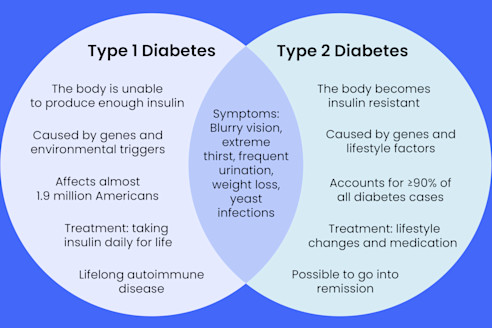
What is Type 2 Diabetes?
Type 2 diabetes is a chronic condition that affects the way your body metabolizes glucose, an essential source of energy. In this condition, your body either resists the effects of insulin or doesn’t produce enough insulin to maintain normal blood sugar levels.
Glucose builds up in the bloodstream instead of being used by the cells, which can lead to serious health complications over time.
Why is Diabetes a Growing Concern?
Type 2 diabetes is increasing rapidly due to lifestyle changes, urbanization, and poor dietary habits. Many people live with the condition for years without knowing, making early detection and awareness critical.
Common Causes and Risk Factors
Several factors can increase your risk of developing type 2 diabetes:
- Overweight and obesity
- Sedentary lifestyle (lack of exercise)
- Unhealthy eating habits
- Family history of diabetes
- Age (risk increases over 45 years)
- High blood pressure
Symptoms to Watch Out For

Symptoms of type 2 diabetes may develop slowly and can include:
- Increased thirst and frequent urination
- Unexplained weight loss
- Fatigue
- Blurred vision
- Slow-healing wounds
Health Risks of Untreated Diabetes

If left unmanaged, type 2 diabetes can lead to serious complications such as:
- Heart disease
- Stroke
- Kidney disease
- Nerve damage (neuropathy)
- Eye damage (retinopathy)
How to Prevent and Manage Type 2 Diabetes
Managing diabetes often involves lifestyle changes along with medical care. Here are effective strategies:
1. Eat Healthy Foods:
Choose high-fiber foods, whole grains, vegetables, and lean proteins. Limit sugar and refined carbohydrates.
2. Stay Active:
Engage in regular physical activity like walking, cycling, or swimming.
3. Maintain a Healthy Weight:
Losing even a small amount of weight can improve insulin sensitivity.
4. Monitor Blood Sugar Levels:
Regular monitoring helps you stay in control and adjust your habits accordingly.
5. Follow Medical Advice:
Take medications as prescribed and attend regular check-ups.
When Should You See a Doctor?

You should consult a healthcare professional if:
- You notice symptoms of diabetes
- You have a family history of the condition
- Your blood sugar levels are consistently high
- You experience unusual fatigue or vision problems
Early diagnosis can prevent complications and improve quality of life.
Final Thoughts
Type 2 diabetes is a serious but manageable condition. With the right lifestyle choices, awareness, and medical care, you can live a healthy and fulfilling life. Prevention starts with small, consistent steps taken every day.