
Understanding Malaria: Symptoms, Prevention, and Effective Treatment
April 23, 2026
Malaria remains one of the most common and dangerous diseases in many parts of the world. This article explains what malaria is, how it spreads, its symptoms, and the best ways to prevent and treat it.

What is Malaria?
Malaria is a life-threatening disease caused by parasites that are transmitted to humans through the bites of infected female Anopheles mosquitoes. Once inside the body, the parasites multiply in the liver before infecting red blood cells.
Malaria is common in tropical and subtropical regions and continues to be a major public health concern.
How is Malaria Transmitted?

Malaria spreads primarily through:
- Bites from infected mosquitoes
- Blood transfusions (rare cases)
- From mother to baby during pregnancy (congenital malaria)
The disease is not spread through casual contact like touching or sharing food.
Common Symptoms of Malaria
Symptoms usually appear 10–15 days after infection and may include:
- High fever
- Chills and sweating
- Headache
- Nausea and vomiting
- Muscle pain
- Fatigue
In severe cases, malaria can cause complications such as confusion, seizures, or difficulty breathing.
Why is Malaria Dangerous?

If not treated promptly, malaria can become severe and lead to:
- Organ failure
- Severe anemia
- Brain damage (cerebral malaria)
- Death, especially in children and pregnant women
Early diagnosis and treatment are critical.
How to Prevent Malaria
Prevention is the most effective way to fight malaria. Here are key measures:
1. Use Insecticide-Treated Bed Nets:
Sleeping under treated nets significantly reduces mosquito bites at night.
2. Apply Mosquito Repellents:
Use repellents on exposed skin, especially in the evening.
3. Eliminate Breeding Sites:
Avoid stagnant water around your home where mosquitoes can breed.
4. Wear Protective Clothing:
Long sleeves and trousers help reduce skin exposure.
5. Indoor Spraying:
Use insecticides indoors to kill mosquitoes.
Treatment Options for Malaria
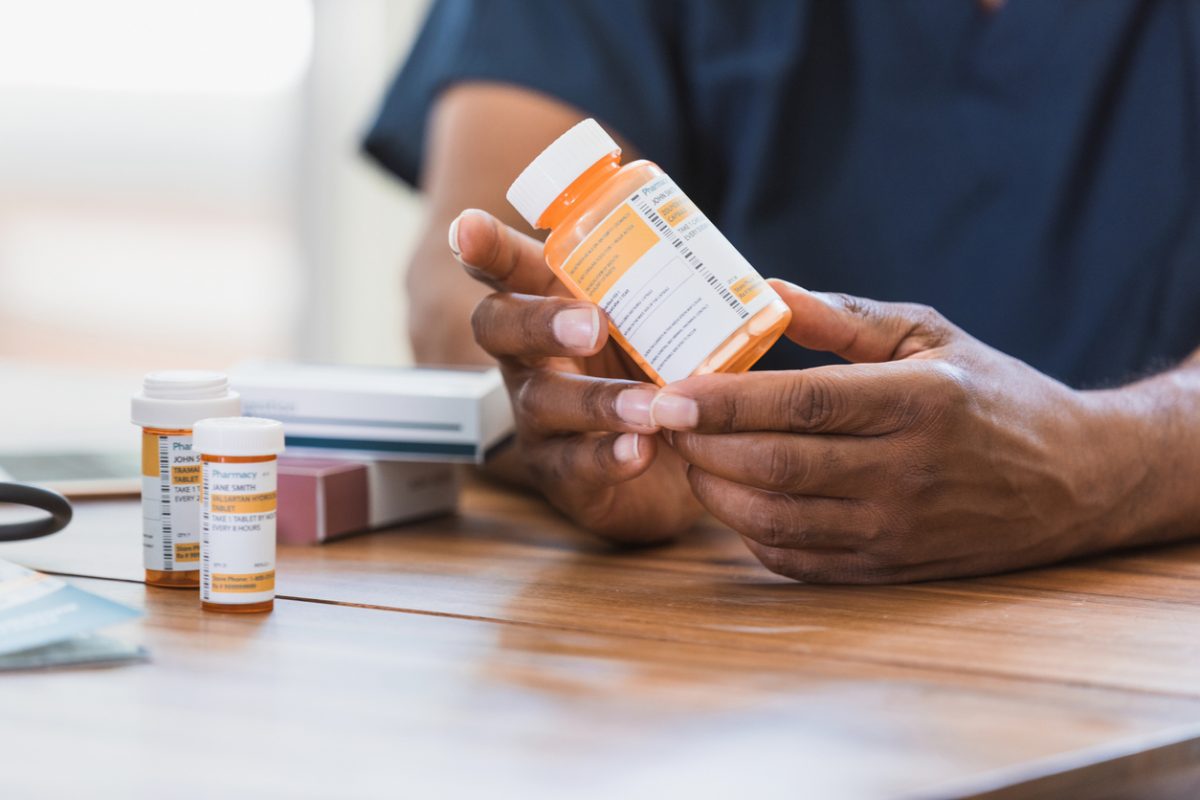
Malaria is treatable, especially when detected early. Treatment usually involves:
- Antimalarial medications prescribed by a healthcare professional
- Completing the full course of medication
- Hospital care for severe cases
Self-medication is discouraged—always seek proper medical advice.
When Should You See a Doctor?
You should seek immediate medical attention if:
- You have a persistent fever
- You experience chills and sweating cycles
- You live in or have traveled to a malaria-prone area
- Symptoms worsen or do not improve
Early treatment can save lives.
Final Thoughts
Malaria is preventable and treatable, yet it continues to affect millions of people each year. By taking simple preventive steps and seeking early treatment, you can protect yourself and your loved ones. Awareness and action are key in the fight against malaria.