
The Silent Threat: Understanding High Blood Pressure (Hypertension)
April 23, 2026
High blood pressure is often called a “silent killer” because it shows little to no symptoms while causing serious health complications. This article breaks down what hypertension is, its causes, risks, and how you can prevent and manage it effectively.
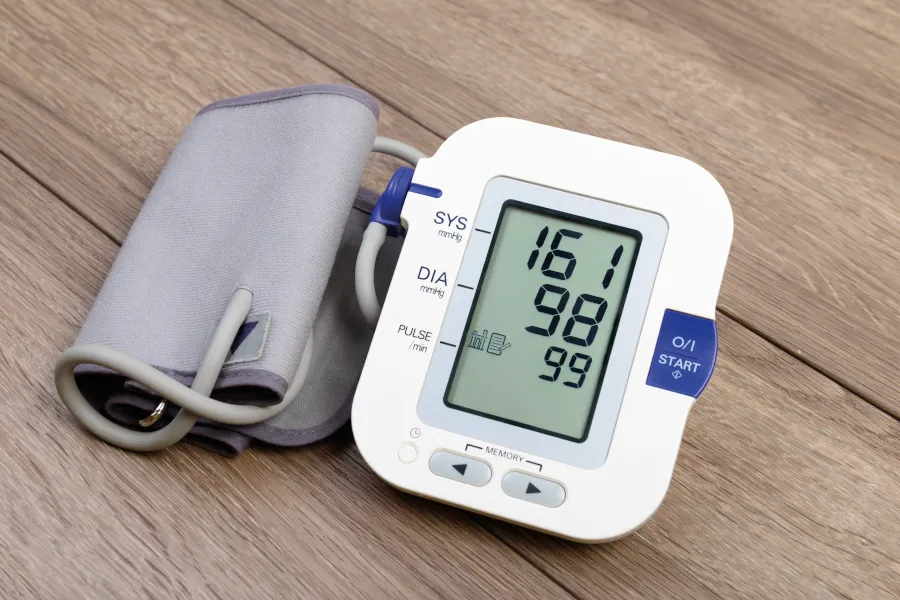
What is High Blood Pressure?
High blood pressure, also known as hypertension, occurs when the force of blood pushing against the walls of your arteries is consistently too high. Over time, this increased pressure can damage your blood vessels and lead to serious health issues.
Blood pressure is measured using two numbers:
- Systolic pressure (top number): pressure when the heart beats
- Diastolic pressure (bottom number): pressure when the heart rests
A normal reading is typically around 120/80 mmHg. Readings consistently above this range may indicate hypertension.
Why is it Called the “Silent Killer”?

Many people with high blood pressure do not experience noticeable symptoms. You could feel perfectly fine while damage is happening internally. This makes regular check-ups extremely important.
Common Causes and Risk Factors
High blood pressure can develop due to a combination of factors, including:
- Unhealthy diet (especially high salt intake)
- Lack of physical activity
- Stress
- Obesity
- Excessive alcohol consumption
- Smoking
- Genetics and family history
Health Risks of Untreated Hypertension
If left unmanaged, hypertension can lead to serious complications such as:
- Heart disease
- Stroke
- Kidney damage
- Vision loss
- Reduced cognitive function
How to Prevent and Manage High Blood Pressure
Managing blood pressure doesn’t always require medication—especially in early stages. Here are practical steps you can take:
1. Eat a Balanced Diet: Focus on fruits, vegetables, whole grains, and lean proteins. Reduce salt and processed foods.
2. Stay Physically Active: Aim for at least 30 minutes of moderate exercise most days of the week.
3. Manage Stress: Practice relaxation techniques like deep breathing, meditation, or yoga.
4. Maintain a Healthy Weight: Even small weight loss can significantly improve blood pressure.
5. Avoid Smoking and Limit Alcohol: Both can raise blood pressure and damage your heart.
When Should You See a Doctor?

You should consult a healthcare professional if:
- Your blood pressure readings are consistently high
- You experience headaches, chest pain, or dizziness
- You have a family history of hypertension
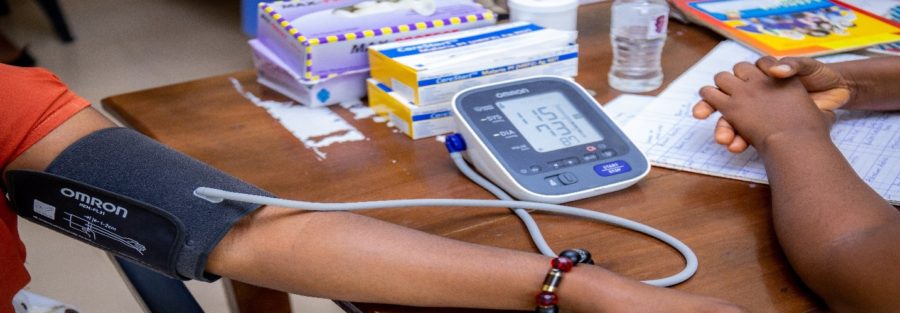
Regular monitoring is key—even if you feel healthy.
Final Thoughts
High blood pressure may not show obvious signs, but its impact can be life-threatening. The good news is that it is preventable and manageable with the right lifestyle choices and regular medical care. Taking action today can protect your health for years to come.